Douglas Rasmussen reflects on Prince’s song “Born 2 Die” from the album Welcome 2 America. The song, inspired by Curtis Mayfield and the blaxploitation genre, uses retro-soul to address social issues like poverty and economic inequality...
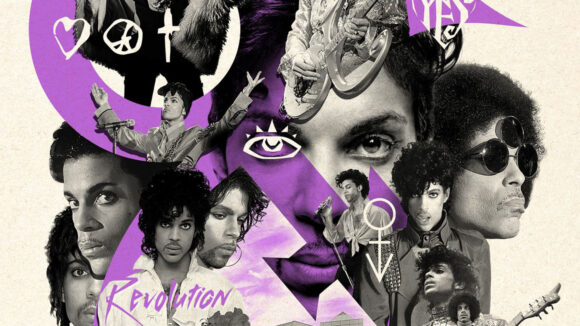

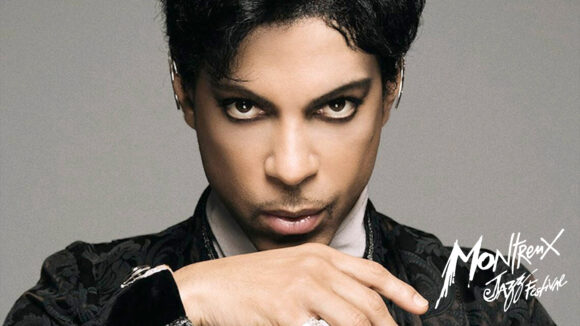
April 21, 2026 marked the 10th anniversary of Prince’s untimely passing. We have asked our readers for their most unforgettable Prince memory. Was it a concert or an album/song that took your breath away? A Prince song/album that came into your life at just the right time? Read the responses...
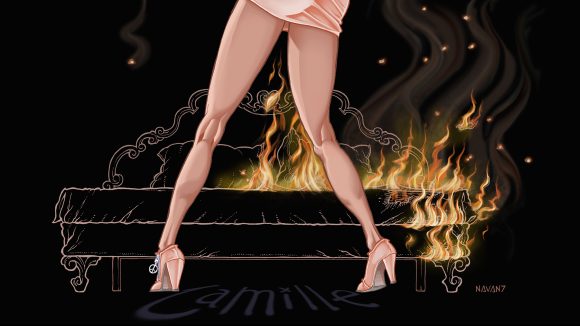
“Funknroll” is also an unusual inclusion on Art Official Age because a different, more rock-oriented version of the same song was included on the album Plectrum Electrum released the same year as Art Official Age. This in itself could provide thematic insight into the inclusion of “Funknroll” on both albums.
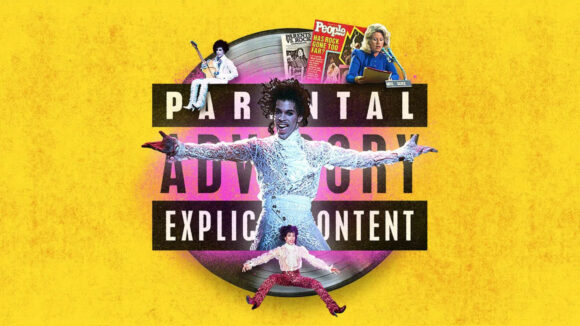
In the mid-1980s, the music industry was shaken to its core by a wave of controversy ignited by the explicit lyrics of a song that would forever alter the landscape of artistic expression. That song was “Darling Nikki,” the track from the groundbreaking album Purple Rain by Prince...
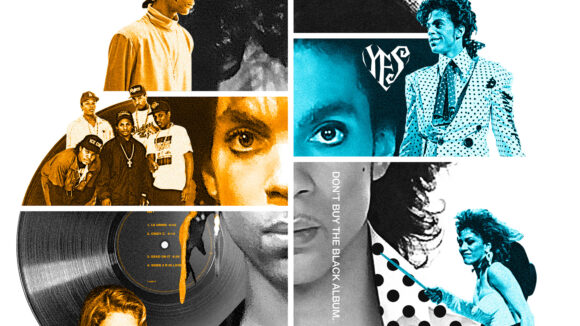
In 1987, not long after the release of his double album Sign O’ The Times, Prince was planning a Christmas surprise: An album with no title, a black cover, and simply attributed to ‘Somebody’ in the Warner Bros. release schedule. it was produced, pressed, and ready to ship, then he abruptly changed his mind. So what happened?
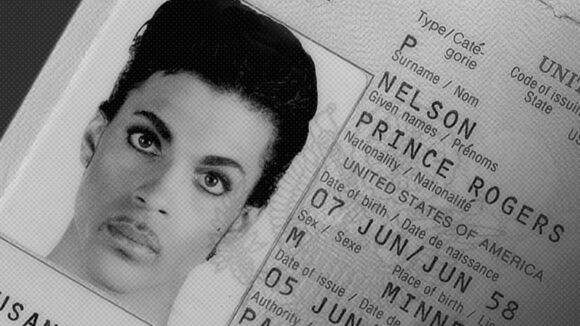
Early in his career, Prince felt he had to change his racial heritage, telling an interviewer that “My dad is Black and Italian. My mom is a mixture of a bunch of things," even though both his parents were African American. Prince’s obfuscation of his racial identity has been the subject of much criticism...
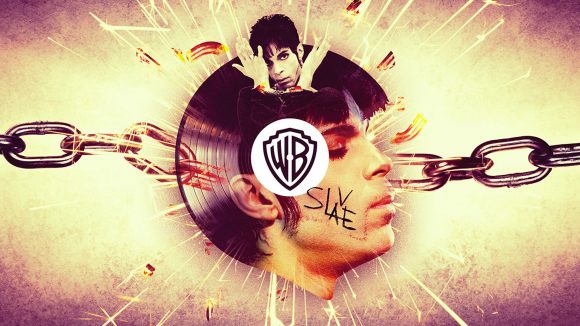
There is a long sordid history in the music industry of young, black artists being taken advantage of by leveraged, corporate record labels that spot talent, and make the rules. A look back at how Prince fought the battle on his own turf, and won.
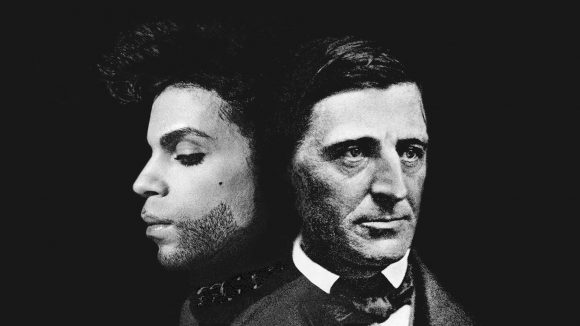
"Walk Don't Walk" continues with Prince’s usual themes of freedom and individuality, not just in a 'Princely' fashion, but in a way that can be interpreted through the philosophical lens of American enlightenment philosopher Ralph Waldo Emerson.